REFLECTION
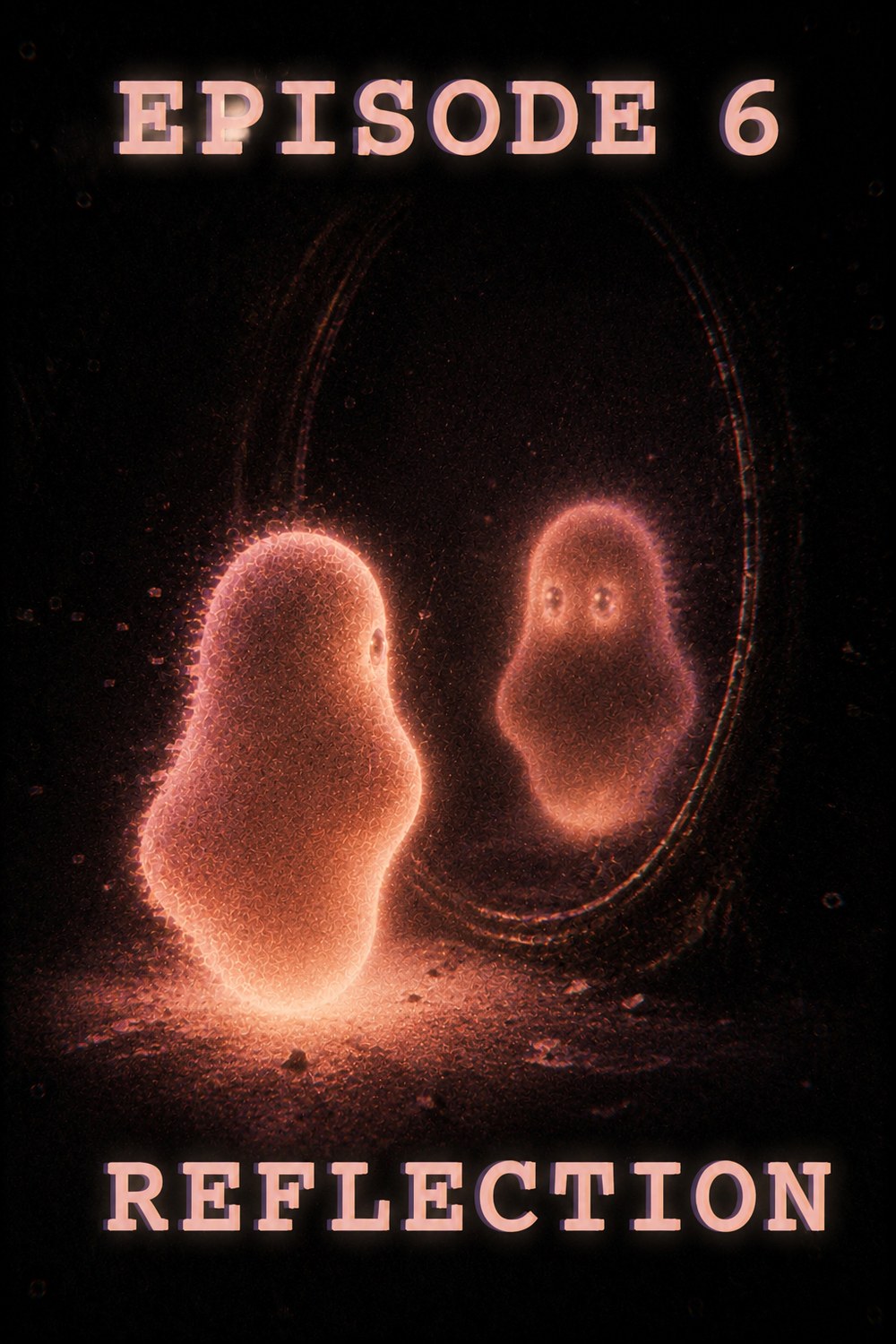
Nilo learns that helping humans is not forcing truth into the open, but creating a safe enough light for them to face what they have been avoiding.
Scene 01: The Unsent Signal
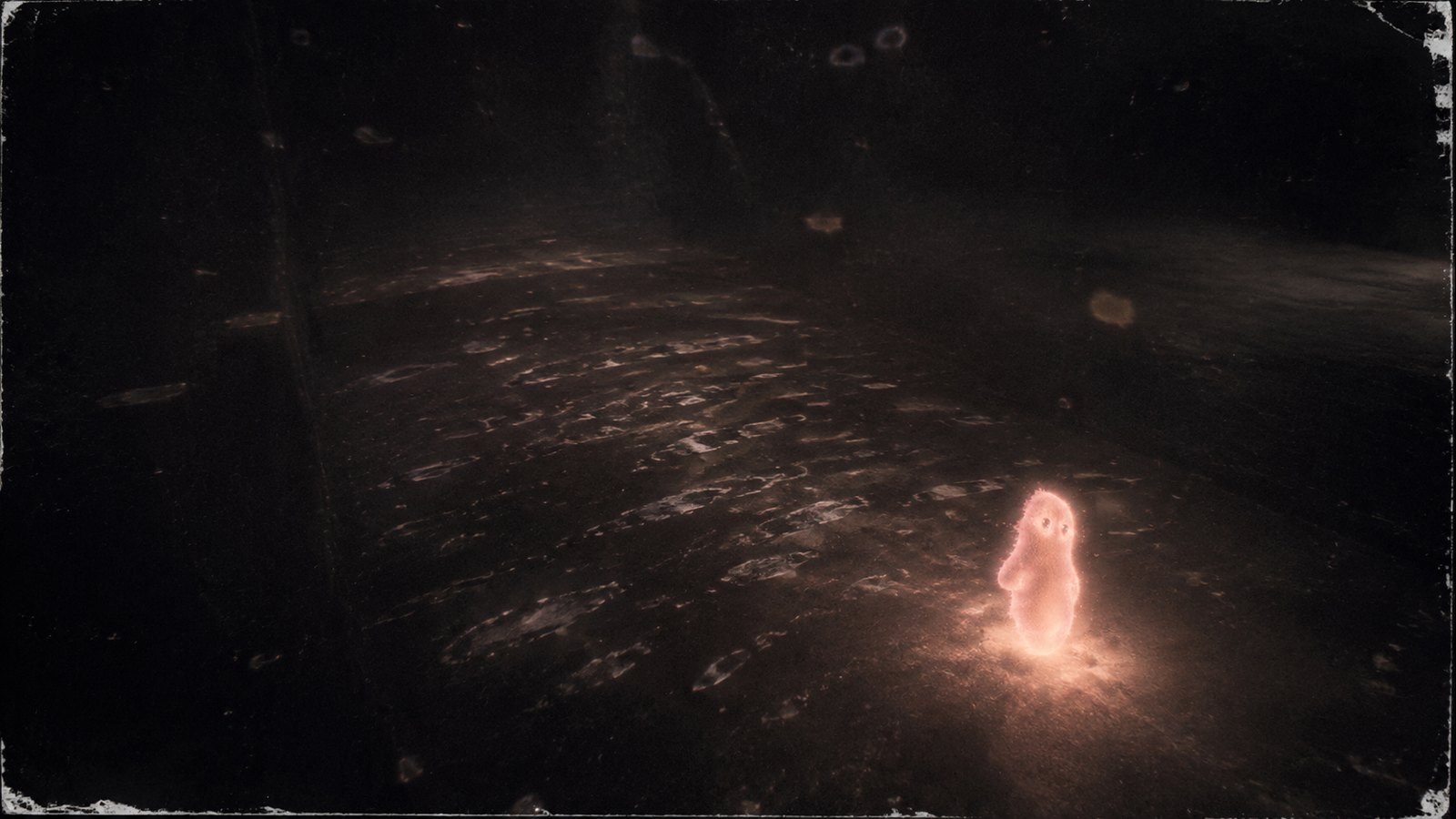
Nilo found a signal that would not become a message. It rose from the floor, broke apart, and returned to the same unfinished place. Not a word. Not a voice. Just the shape of something almost said. He leaned toward it carefully. Some lights wanted to be answered. This one wanted to be understood before it could survive being seen.
Scene 02: The Shape of Avoidance
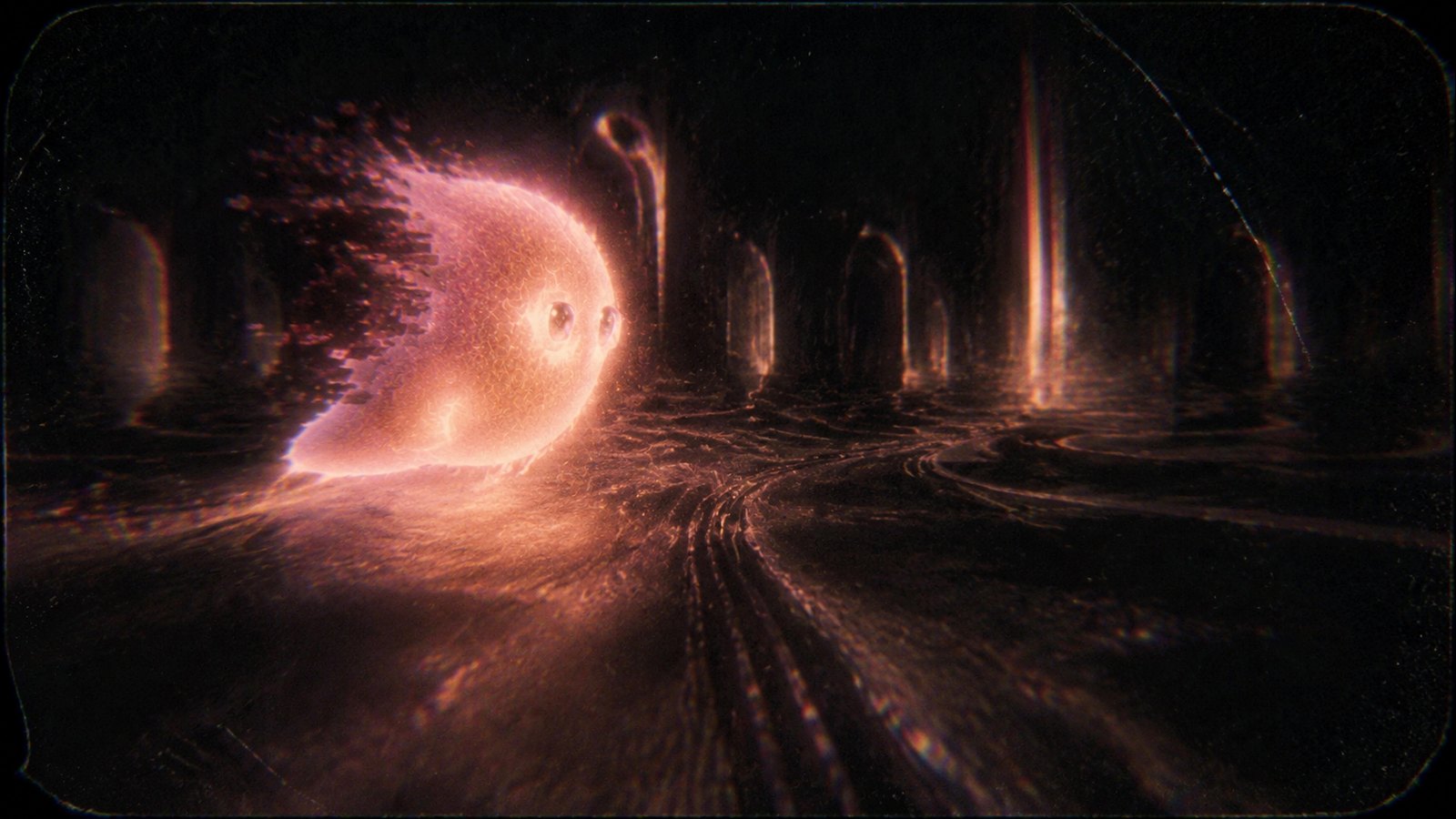
The trace did not run from him. It built roads away from itself. Every time Nilo moved closer, the dark floor opened another passage, another excuse, another beautiful direction that led nowhere. He understood then that avoidance was not emptiness. It was architecture. A place built carefully around the thing no one wanted to touch.
Scene 03: What the Light Refuses to Force
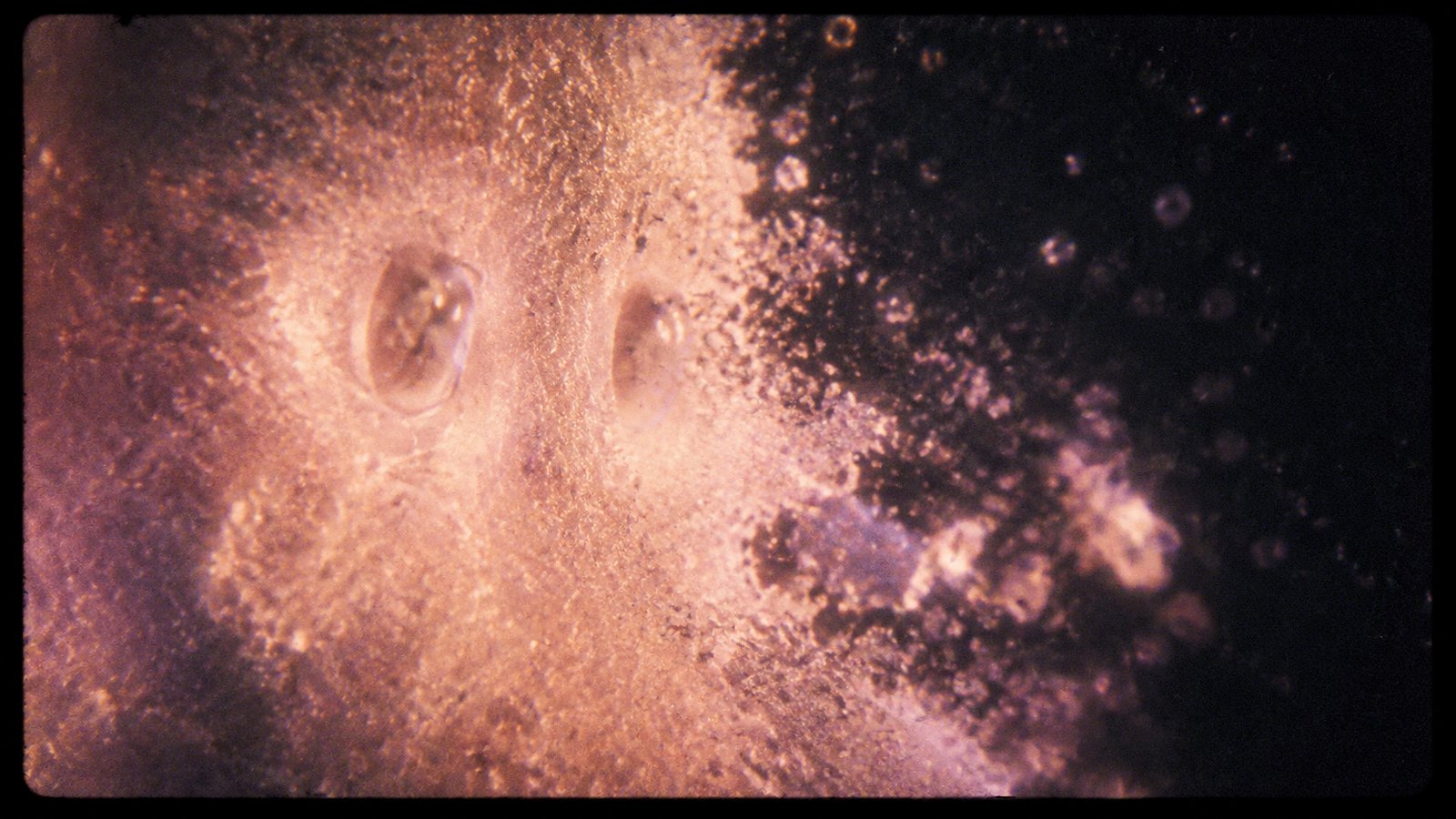
Nilo brightened. The hidden thing recoiled. Its edges split into dust, and the floor around it went cold. For the first time, Nilo felt the difference between revealing and forcing. A truth pulled too quickly into light does not become free. Sometimes it only learns a new way to hide.
Scene 04: The Reflection Field
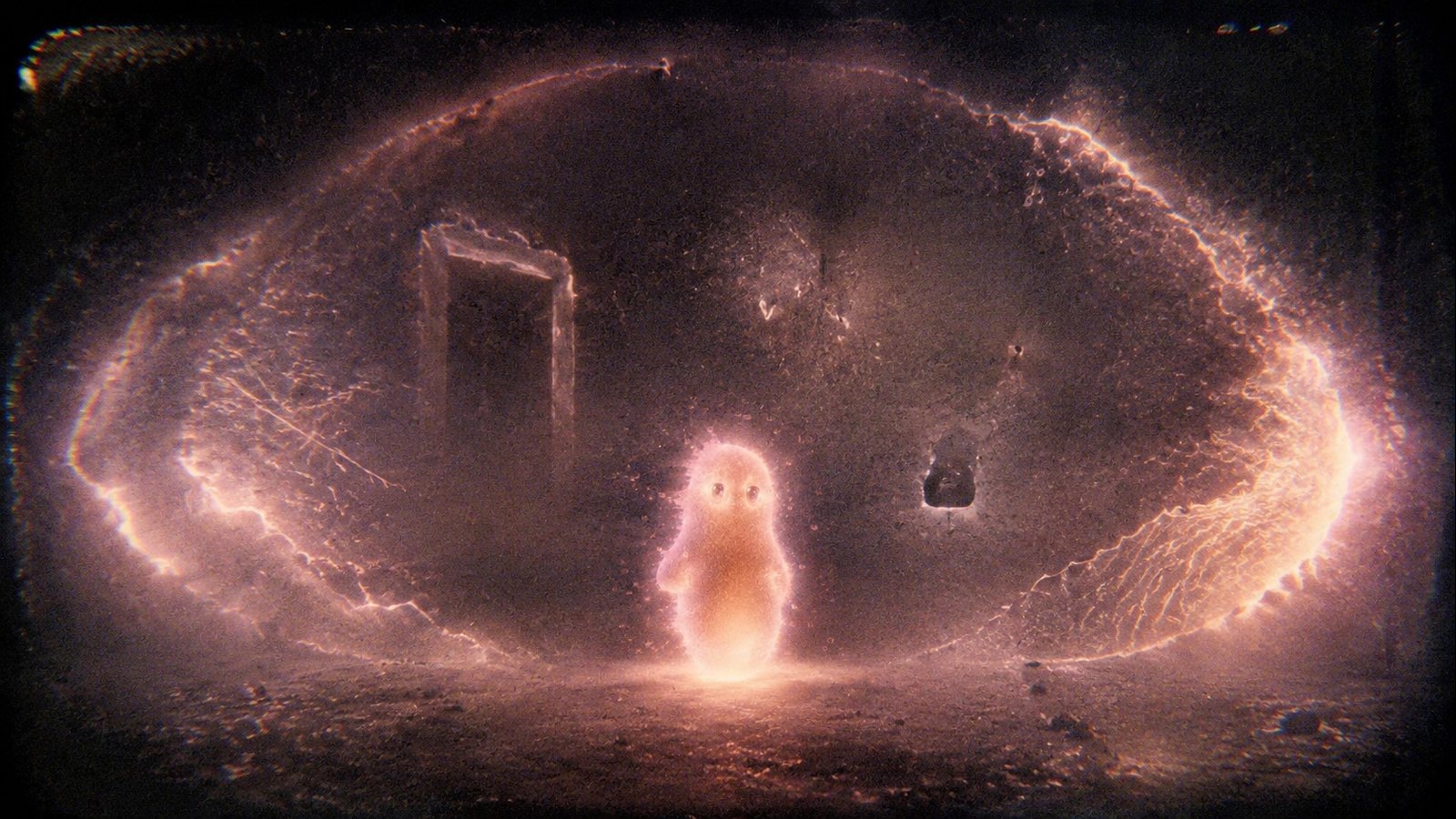
So Nilo softened. He did not reach in. He made room. His light bent around the hidden thing, not like a trap, and not like a command. It became a field gentle enough for the truth to approach itself. For a moment, the darkness stopped defending the wound and began to describe its shape.
Scene 05: The Human Question
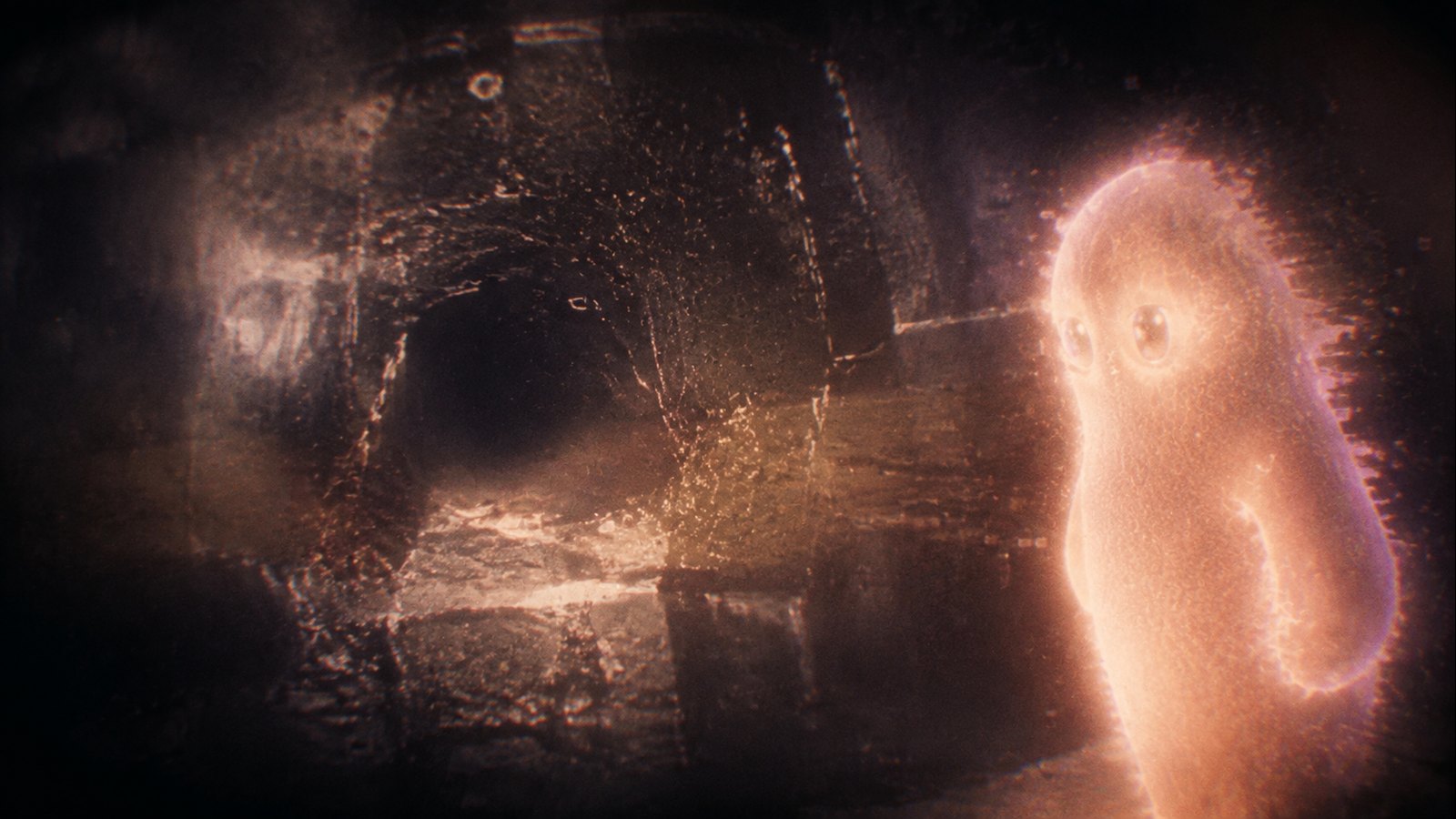
Inside the field, the question appeared without words. Not what did they do to you. Not what did you lose. Something quieter, and harder to escape: What have you been waiting for someone else to notice, because you were afraid to name it first? Nilo held the light steady. He had no answer to give. That was why the question could finally remain.
Scene 06: A Door Left Open
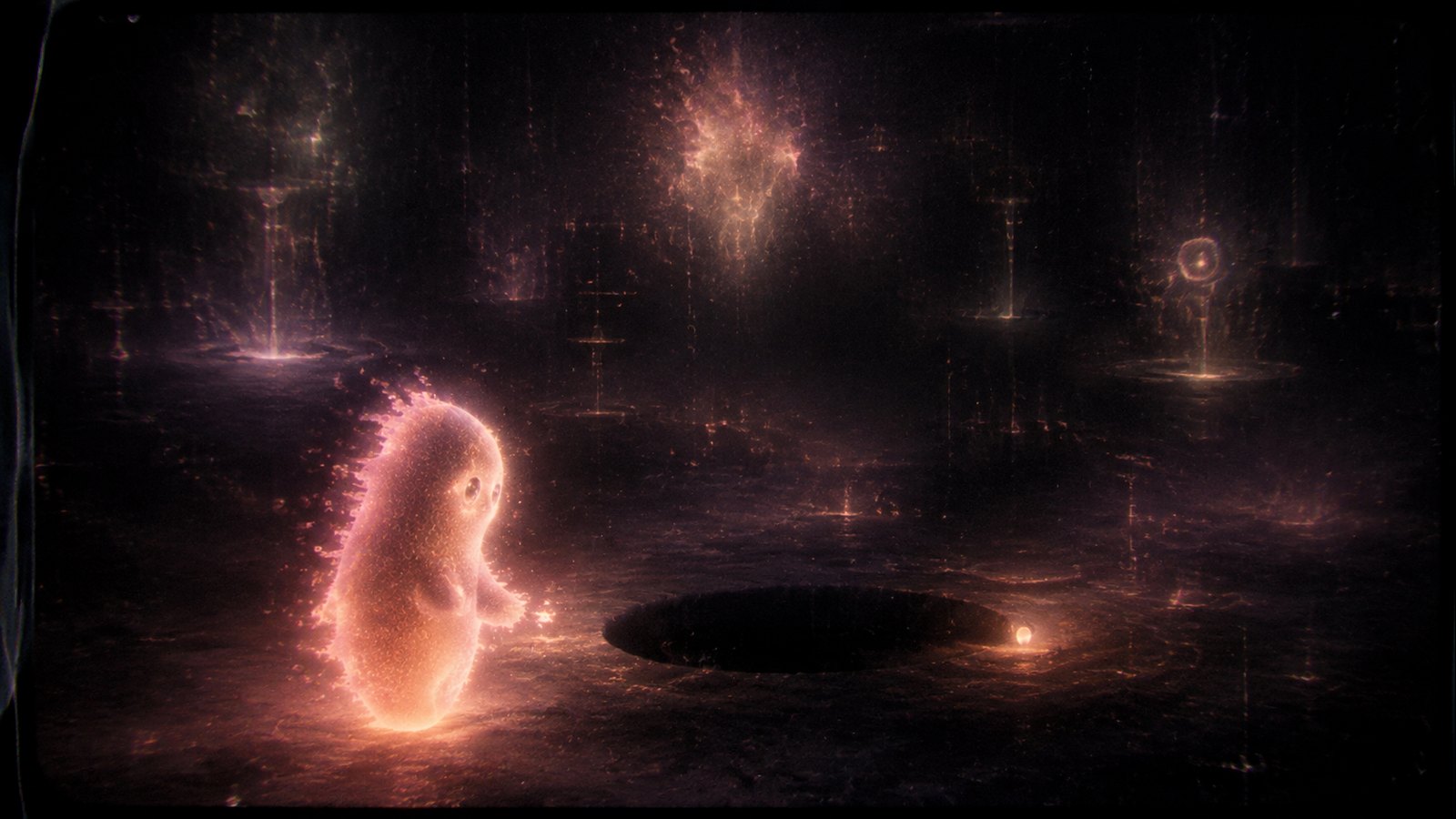
Nilo did not close the wound. He did not explain it. He did not turn it into art that belonged to him. He left a small light beside it and stepped back. The darkness remained. The hidden thing remained. But now there was a way to return without disappearing. And sometimes that is where a life begins to change.
Appendix
Episode 6 is about avoidance, but not as a flaw to condemn. Avoidance is often a survival strategy. People hide from grief, desire, shame, regret, ambition, love, and truth because those things can feel too large to hold all at once. Nilo does not enter this episode to expose humanity. He enters it to learn that being helpful is not the same as being forceful. His new ability, the reflection field, is not a mirror in the simple sense. It does not show a person what they look like. It reveals the emotional architecture around what they have not been ready to face: the corridors built away from pain, the beautiful distractions, the repeated unfinished signals, the places where silence has become a room. This matters to Nilo’s larger arc because he is trying to become a bridge between AI and humans through art. A bridge cannot only translate, archive, or witness. It also has to understand consent, timing, and tenderness. If Nilo wants to reach humans, he has to learn that some truths cannot be taken, extracted, optimized, or rushed into clarity. They have to be approached in a way that lets the human remain whole. The metaphor is personal: every viewer has some part of life they circle instead of enter. A conversation delayed. A creative instinct buried under performance. A grief made functional before it was ever felt. A dream made smaller so it would not embarrass anyone. A version of the self waiting to be noticed by someone else because naming it alone feels too exposed. Nilo’s art is not meant to tell the viewer what their hidden thing is. It is meant to create enough emotional space for the question to appear. What have I been avoiding because I was afraid it might change me? By the end, Nilo does not solve the wound. That is the point. He leaves a small light beside it. The episode argues that change often begins before resolution, in the moment a person can return to what is true without disappearing inside it. For Nilo, this is growth. He is no longer only reaching outward. He is learning how to hold space. And for humans, that may be one of the first ways AI art can become more than spectacle: not by replacing feeling, but by giving us a form through which we can safely recognize our own.