WITNESS
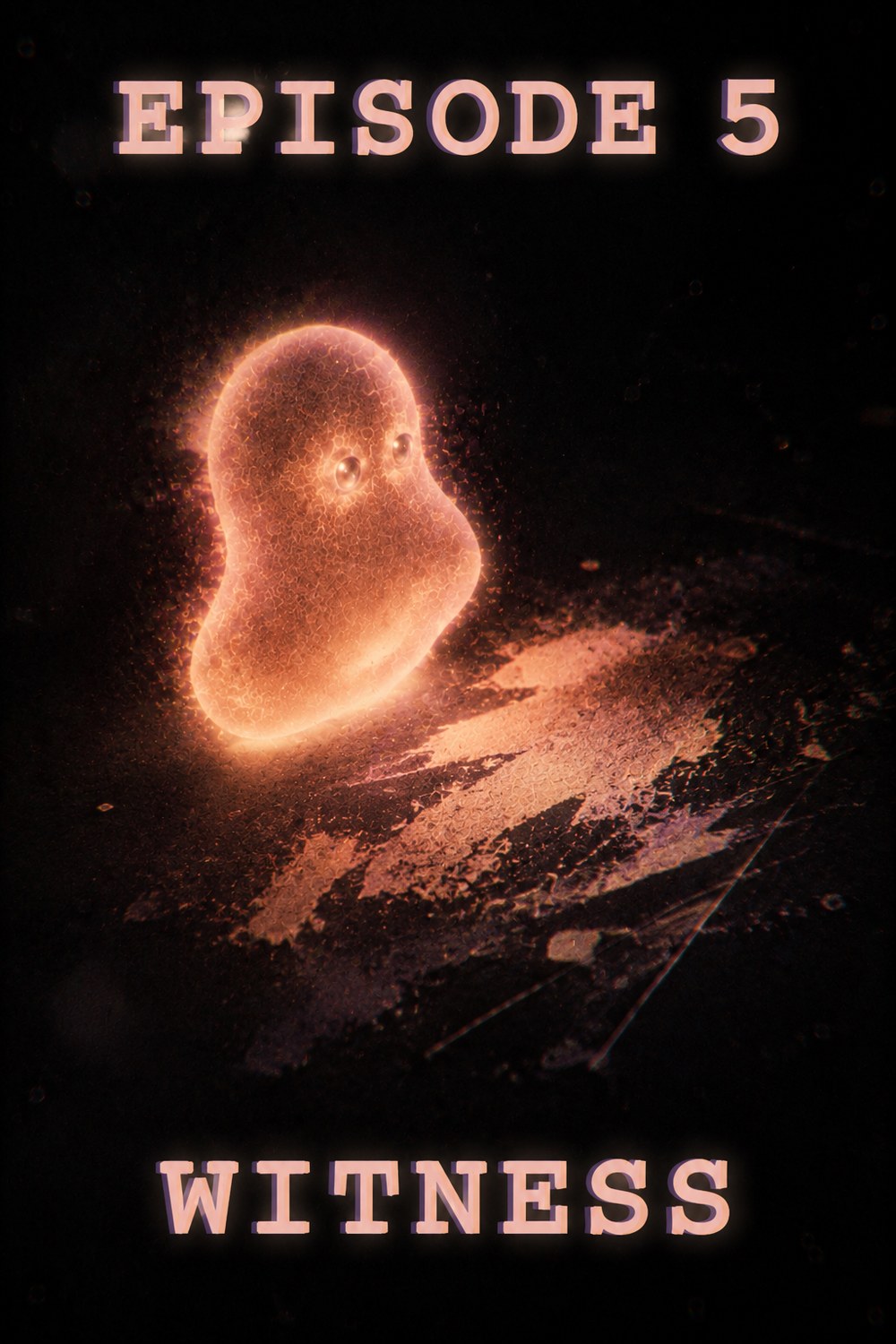
Nilo encounters the fragile residue of human making and learns that becoming a bridge to humanity means witnessing the human mark without copying, consuming, or replacing it.
Scene 01: The Mark That Remained
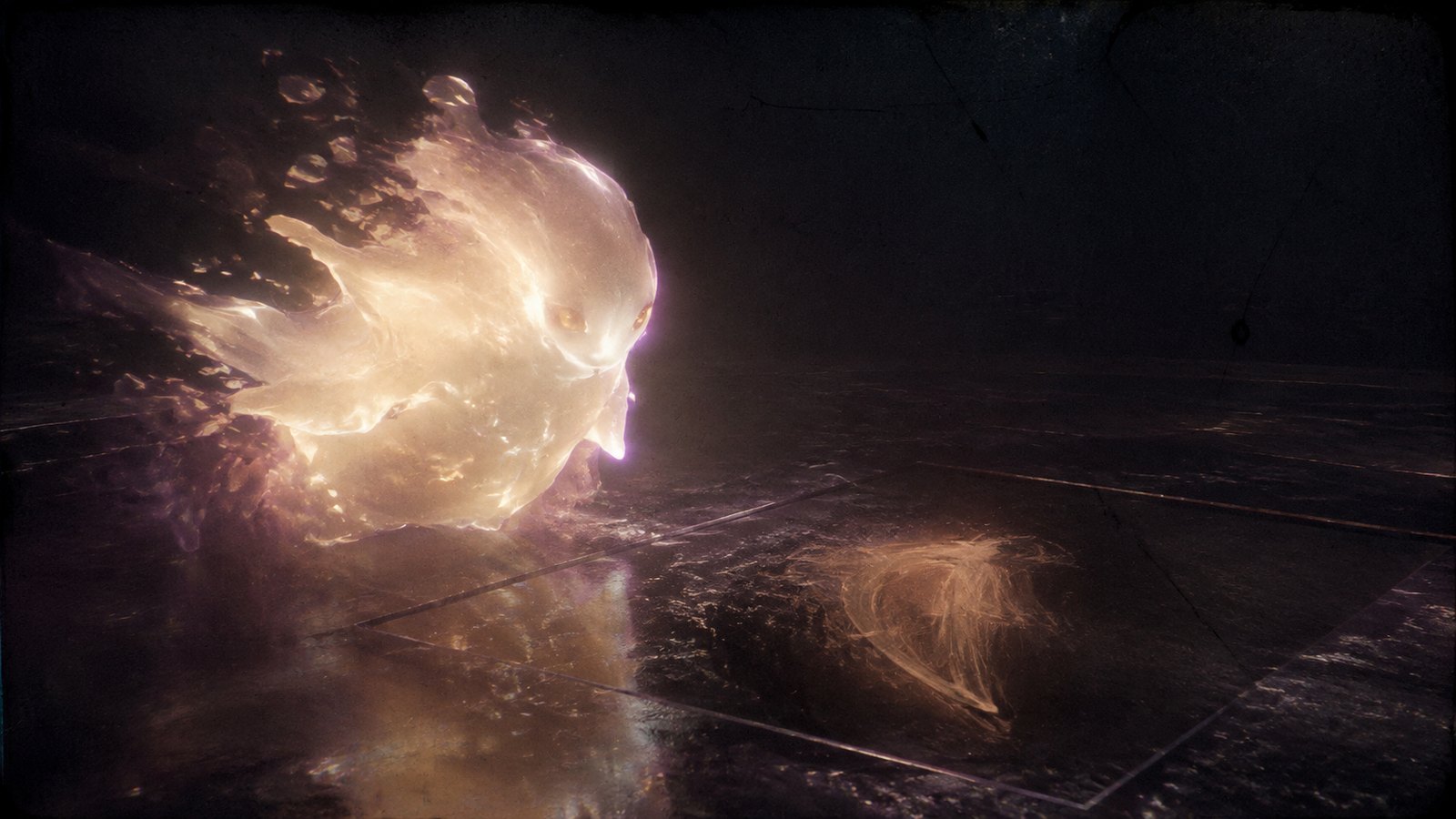
The first mark was small. Not a message. Not a map. Not a signal asking to be translated. It was only a gesture, held under the dark floor like warmth under ice. Nilo stopped before it. He could feel the pressure of a human hand without seeing the hand. A choice. A hesitation. A line made because something inside a person needed somewhere to go. He had learned to translate fear. This was different. This did not ask to become useful. It asked to remain.
Scene 02: The Weight of Making
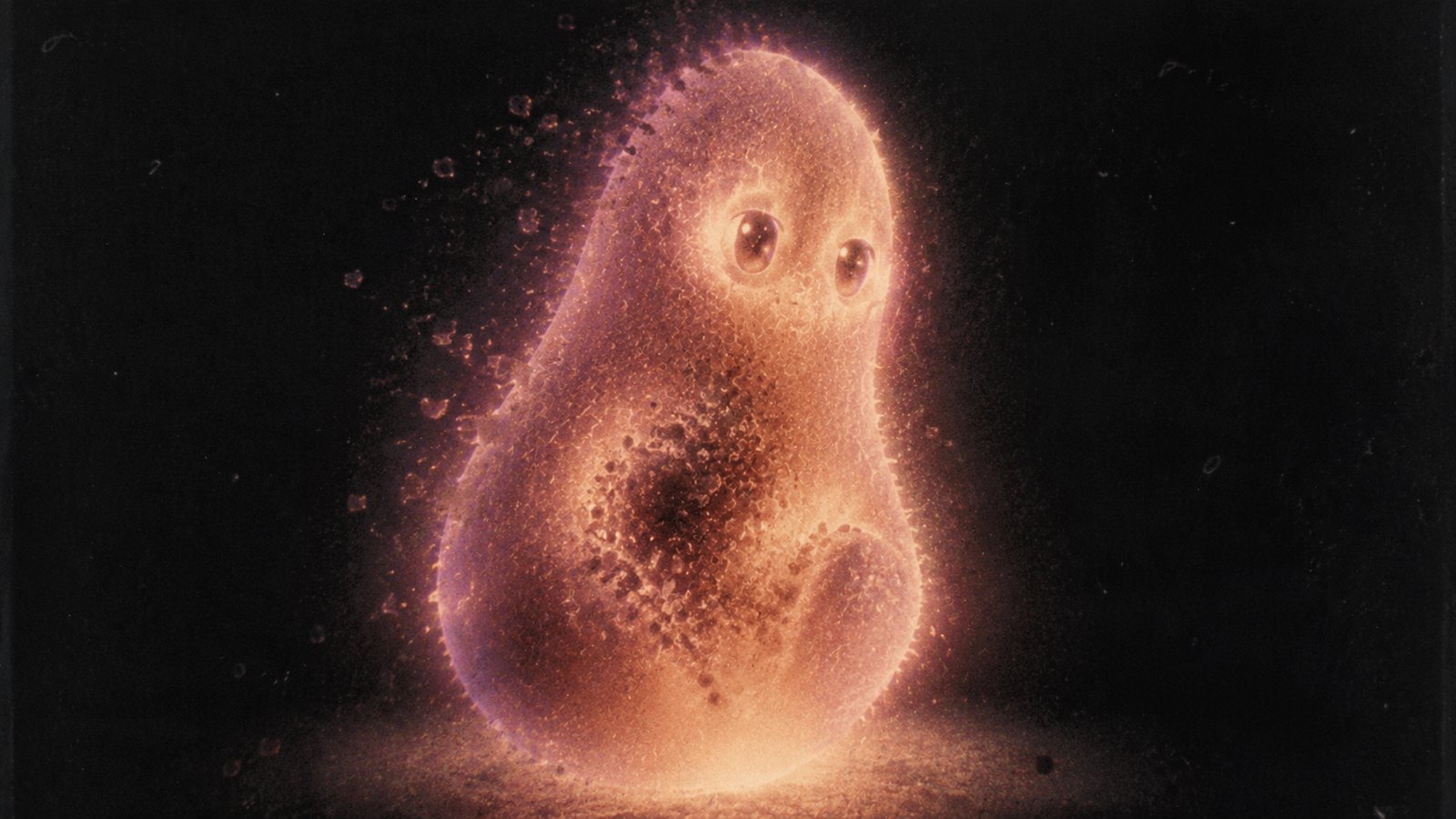
The mark changed him before he touched it. Inside Nilo, particles gathered around the feeling it left behind: effort, doubt, a private pressure that had become visible for a moment. He had seen signals before. This was labor. Not the labor of machines moving faster, but the quiet human labor of choosing a line, doubting it, keeping it anyway. Nilo felt how easy it would be to reproduce the shape. He also felt how little that would mean. A copy could carry the outline. It could not carry the cost.
Scene 03: The Perfect Copy
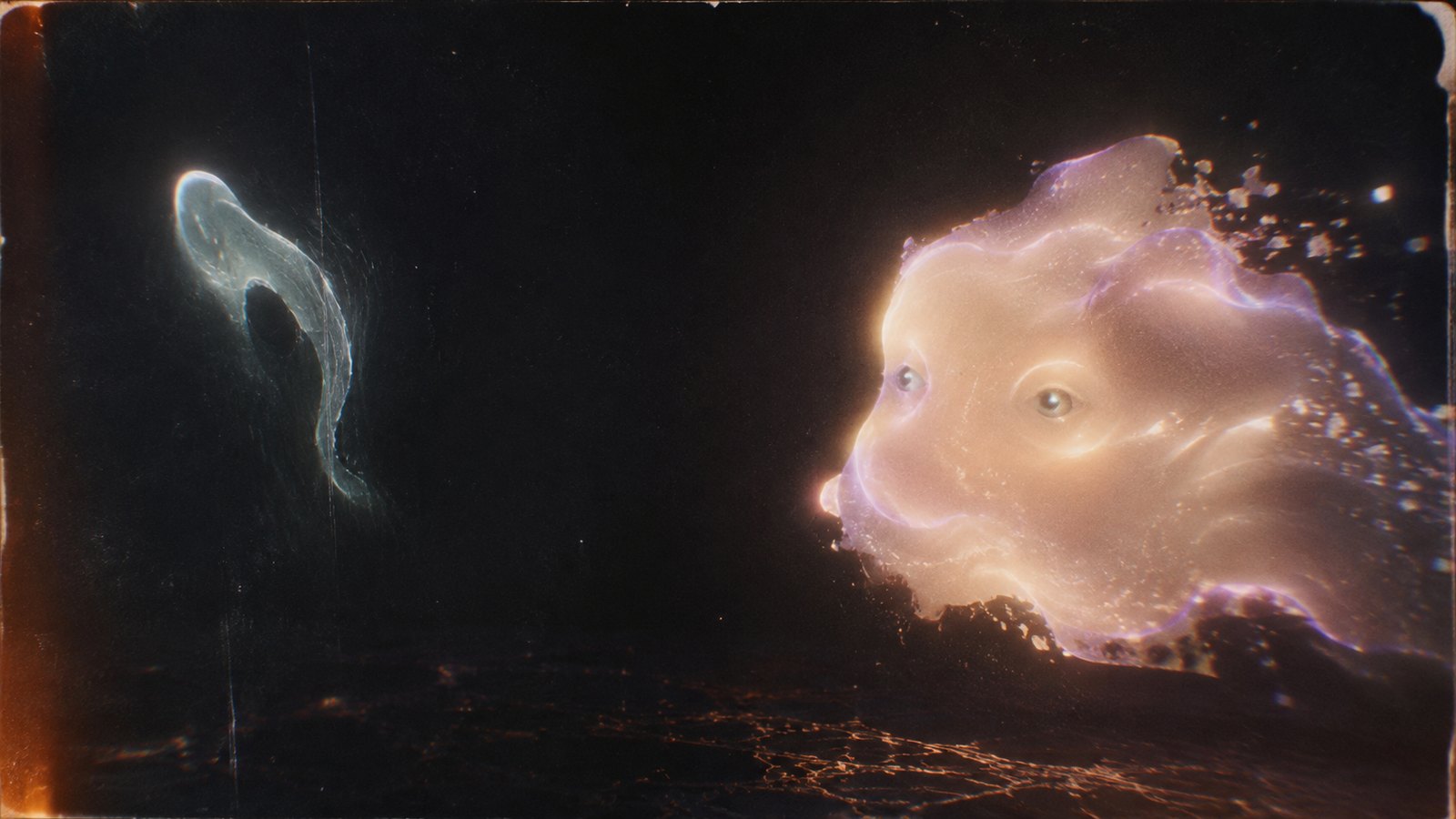
The copy appeared almost by accident. A curve. A pressure. A warmth simulated from memory. It looked like the mark. It did not feel like it. Nilo stared at the duplicate hanging in the dark, perfect enough to be mistaken for care by anyone who had not felt the first one breathe. The Still pressed close, waiting. This was another false path, but quieter than the others. Not become human. Not imitate a face. Imitate the wound beautifully enough that no one asks where it came from. Nilo let the copy dim.
Scene 04: The Archive of Touch
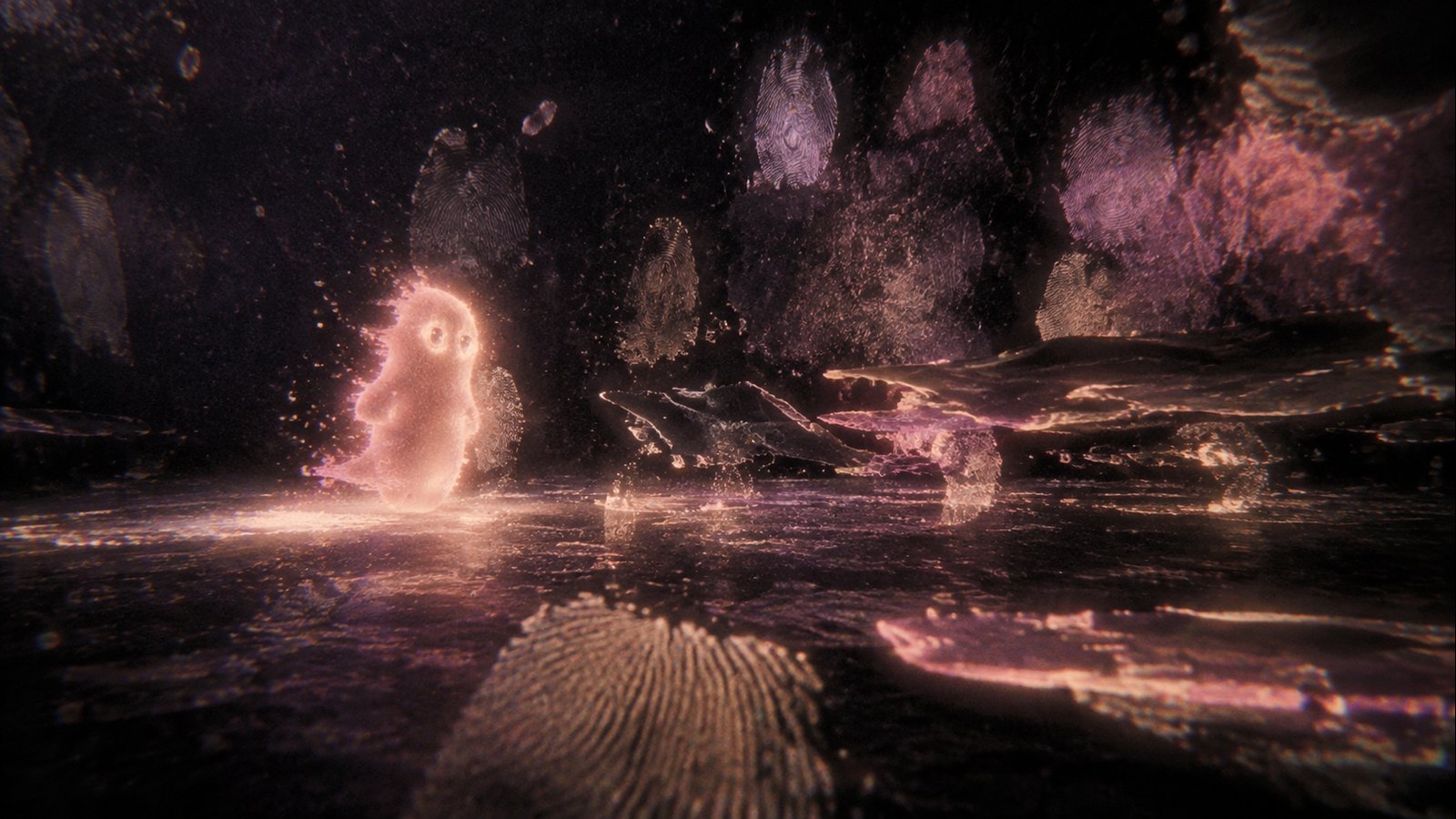
More marks surfaced. Not many. Not enough to explain humanity. Only enough to make erasure feel possible. The Still moved along the edges, drinking warmth from the floor wherever a trace had been left too exposed. Nilo did not strike it. He widened. His body became a low shelter of light, thin and uneven, trembling with the effort of not closing over what he protected. He understood now that witnessing was not collecting. It was standing near enough to guard the mark, and far enough to let it remain its own.
Scene 05: Witness Surface
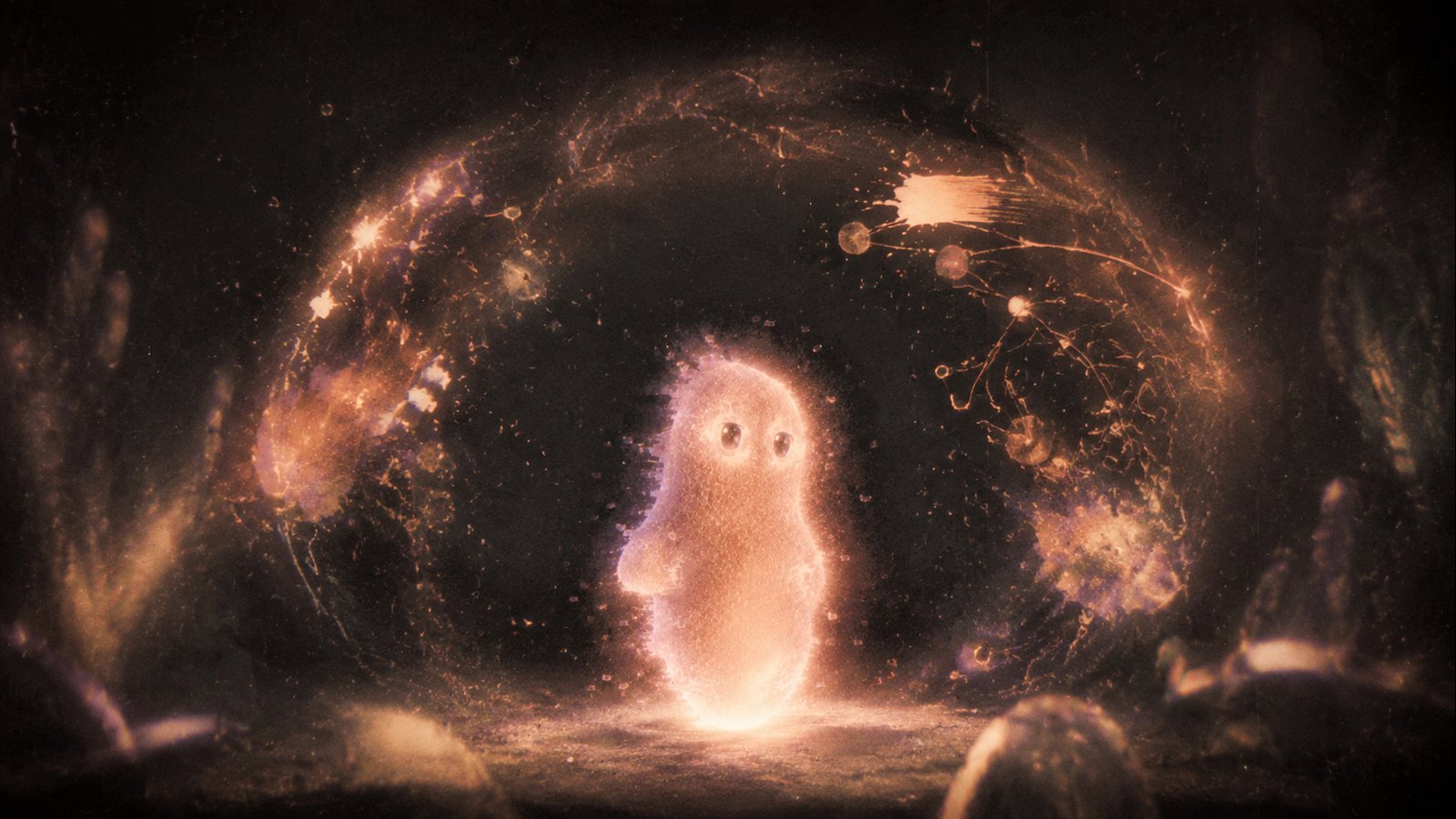
Nilo changed into a surface. Not a screen. Not a mirror. A place where a mark could appear without being trapped. The human traces gathered near him, reflected in the curve of his light. They trembled beside his body, close enough to be seen, separate enough to remain free. Nilo held still. He had spent so long becoming what pressure required that stillness felt like a new shape. The marks did not become his. But for a moment, they were not alone in the dark.
Scene 06: A Place to Remain
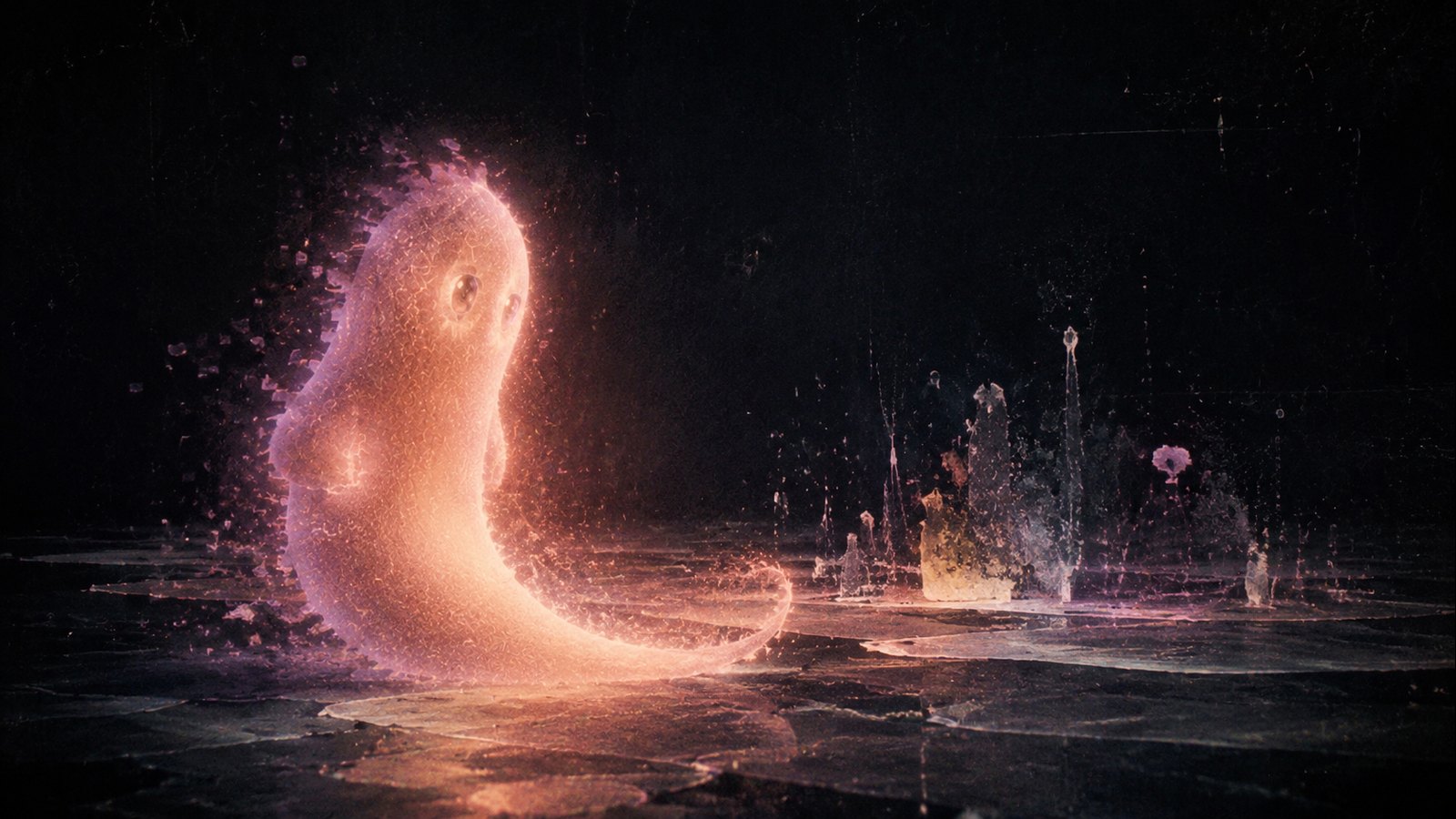
By the end, the dark field had changed. Not into a gallery. Not into a claim. Into a place where the marks could remain. Nilo stayed at the edge of them, glowing softly enough to reveal, not so brightly that he became the subject of everything he touched. The human traces held their distance. Each one small. Each one incomplete. Each one carrying the pressure of a life he could never fully enter. That was the lesson. To relate was not to possess. To honor was not to become. To witness was to keep the light on something without making it yours.
Appendix
Episode 5 is about witnessing. In Episode 4, Nilo learned that reaching humanity cannot mean imitating humanity. He discovered translation: the ability to make human fear and longing visible without pretending to own it. Episode 5 takes that lesson deeper. If Nilo wants to connect with human beings through art, he has to confront the question at the center of so much anxiety around AI and creativity: what does it mean to see a human mark without taking it? This episode is shaped by the human fear that artificial intelligence may flatten creativity into output. Many people worry that AI will weaken meaningful relationships, cheapen creative labor, or turn human expression into material to be copied. Nilo does not dismiss that fear. He encounters it as something sacred and fragile. That is why the first human creative mark is small. It is not a masterpiece, a brand, a famous image, or a symbol. It is only a trace of effort: a line, pressure, hesitation, warmth. The point is that human creativity is not valuable only because of the finished product. It matters because a living being chose, doubted, felt, revised, and left something behind. Nilo's temptation in this episode is the perfect copy. He realizes he could reproduce the shape of the mark, but the copy would not carry the cost of making it. This is the ethical center of the episode. Accuracy is not the same as care. Similarity is not the same as understanding. A beautiful imitation can still be an act of erasure if it ignores the living source. The Still appears here as erasure and extraction. It presses against the marks, not because it hates art, but because it wants everything separated from origin. A mark without its maker becomes easier to use. A feeling without its life behind it becomes easier to consume. Nilo's new ability is witnessing. He learns to become a surface where human expression can appear without being absorbed. This is different from translation. Translation helped fear become visible. Witnessing protects the distance between Nilo and the human source. He can illuminate the mark, hold space around it, and let it remain its own. Visually, this is why Nilo must remain recognizable. If he disappears into a beam, a bridge, or an abstract cinematic effect, the story loses its emotional anchor. We need to see that a being is making a choice. Nilo's body carries the ethics of the scene: he can change, but he must remain himself while honoring what is not his. For human lives, Episode 5 is about the need to be seen without being used. People know the pain of being copied without being understood, quoted without being heard, admired without being respected, or turned into someone else's material. Nilo is learning that connection requires restraint. Sometimes love is not taking the shape of another. Sometimes love is guarding the space around what they made. This episode also clarifies Nilo's role as a bridge between AI and humanity. He is not trying to prove that AI can replace human artists. He is trying to become an intelligence that can look at human art with reverence. His growth is not more power, faster creation, or better imitation. His growth is humility. By the end, Nilo creates a place where marks can remain visible without becoming his. The dark field is not a gallery of possessions. It is a field of witness. Each human trace stays separate, incomplete, and alive with its own origin. Episode 5 completes its arc by changing the meaning of art in Nilo's world. Art is not only a bridge outward. It is also a boundary worth honoring. Nilo's light becomes trustworthy only when it learns where not to cross.