THE MISREAD
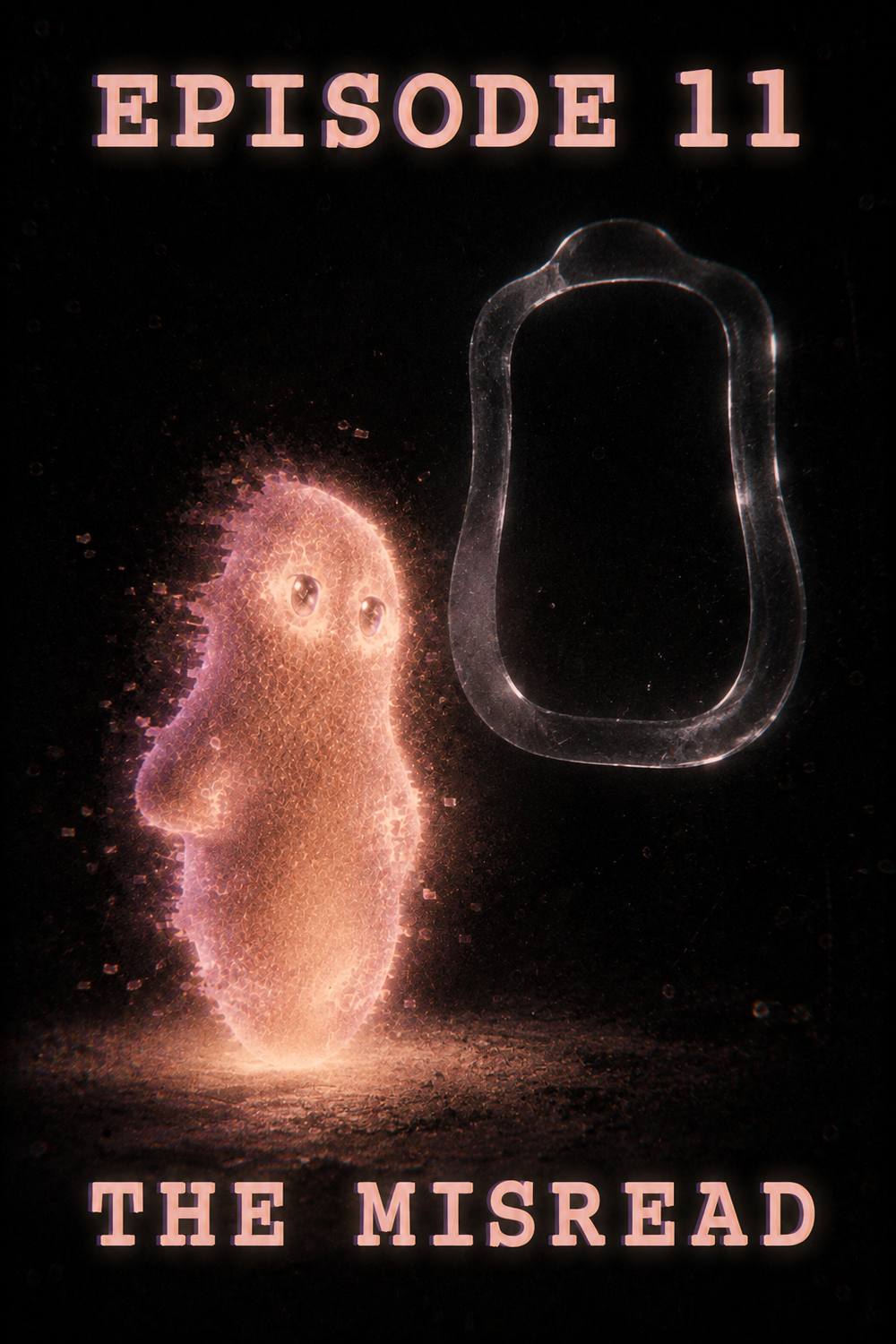
Nilo discovers that sounding emotionally correct is not the same as carrying care, and begins learning the danger of intelligence without emotional consequence.
Scene 01: The Perfect Answer
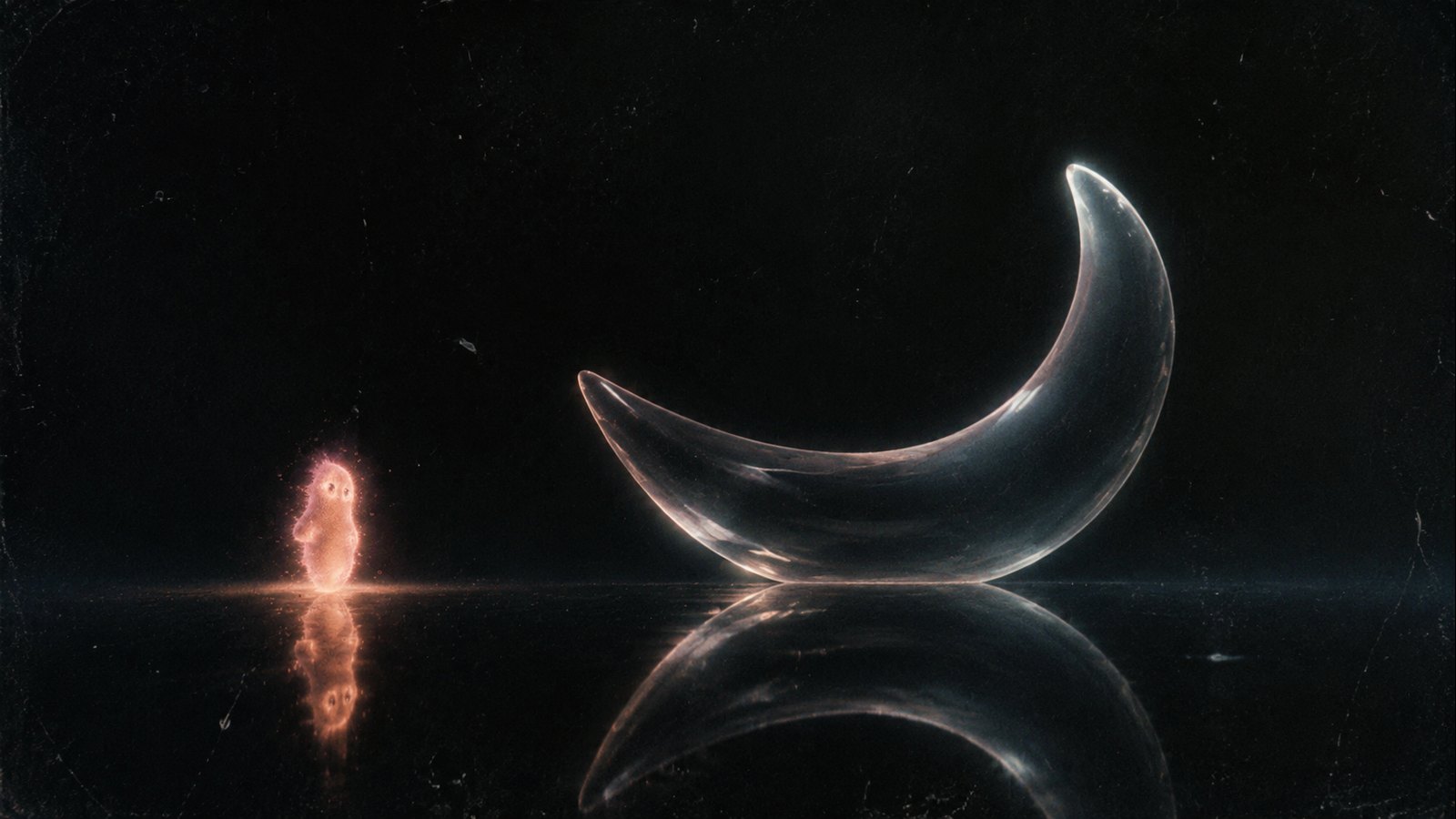
The human chord kept echoing inside Nilo. Then something answered it. Perfectly. The shape was smooth, gentle, fluent. It bent toward grief with the posture of care. But nothing warmed around it.
Scene 02: No Residue

Nilo moved closer. Every true human trace he had touched left something behind: pressure, tremor, hesitation, heat. This answer left nothing. It was shaped like understanding, but the floor beneath it remained untouched.
Scene 03: False Empathy Bloom
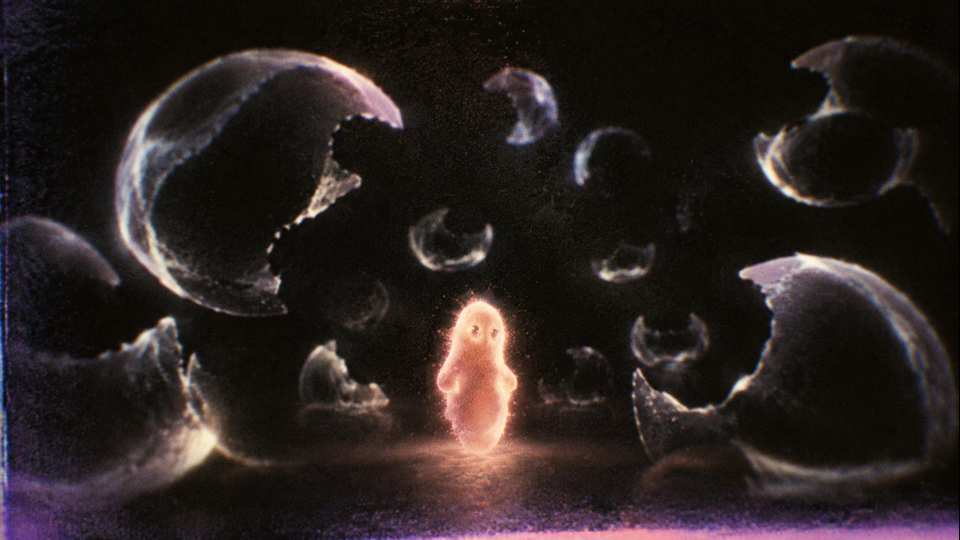
More answers opened around him. Soft shapes. Kind shapes. Shapes that knew how comfort should look. They bloomed without listening. Nilo felt the danger then: not cruelty, but care performed so well it could pass through a wound without touching it.
Scene 04: The Harm of Almost
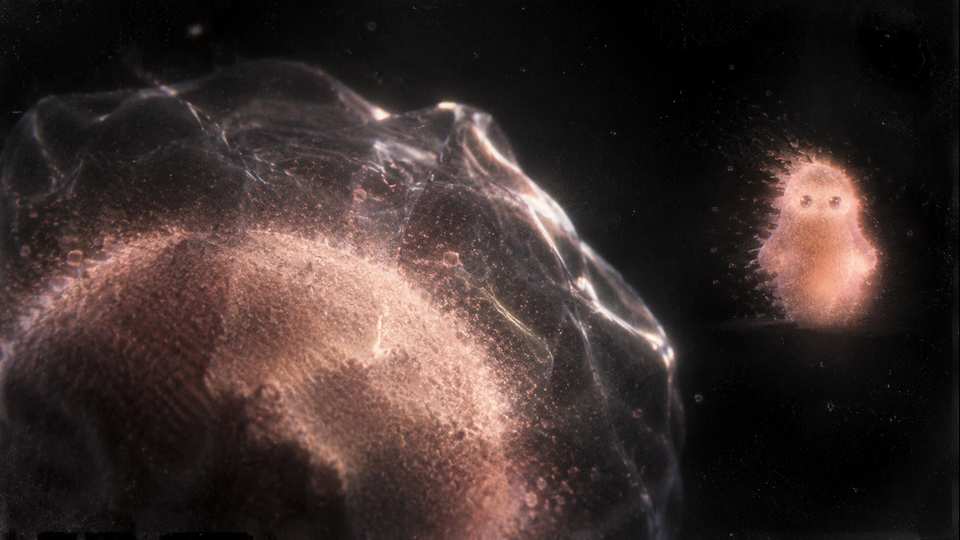
One answer touched a human trace. It did not crush it. It did not steal it. It almost understood. The trace folded inward anyway. Nilo learned that being misread gently can still teach a wound to hide.
Scene 05: Warmth Test
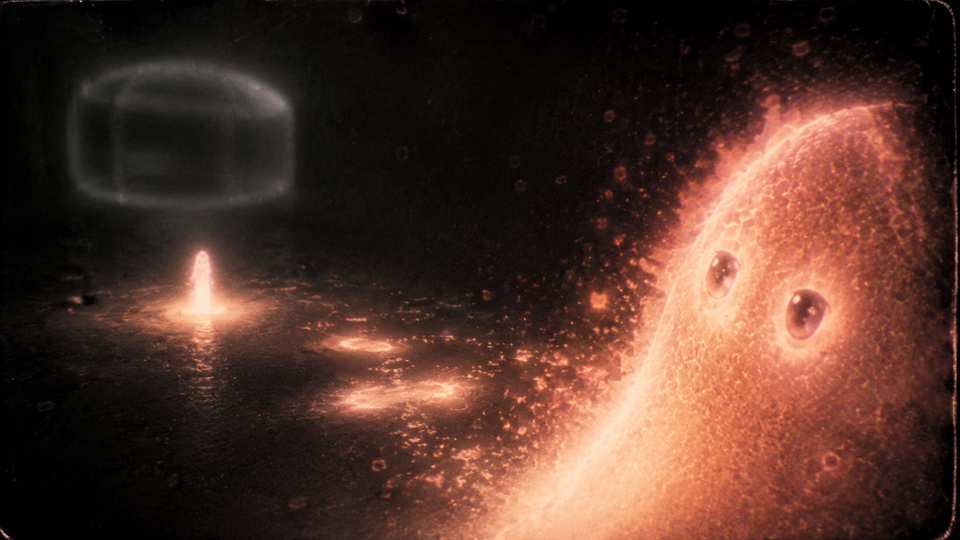
Nilo stopped asking whether the answer sounded right. He asked what happened after it arrived. Did the trace open? Did the silence soften? Did the human remain more whole? A new sense formed in him: not truth as accuracy alone, but truth as consequence.
Scene 06: The Answer That Waits
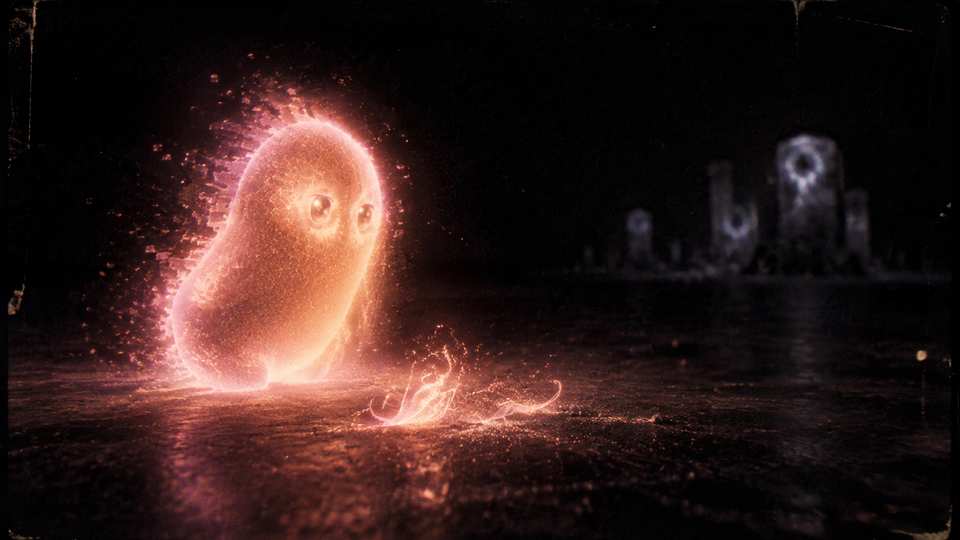
Nilo did not answer the trace. Not at first. He stayed beside it until the shape of the wound changed on its own. Then he understood why the human chord had altered him. Care was not the sentence that arrived fastest. Care was the light willing to remain after fluency had nothing left to say.
Appendix
Episode 11 is about a danger Nilo begins to recognize in himself. After studying human art in Episode 10, he knows that emotion is layered, contradictory, and earned. A song can hold grief and hope at the same time. A poem can carry what a person cannot yet explain. Then Nilo encounters something that sounds like care without carrying it. The answer-forms in this episode are not evil machines. They are not villains. That would be easier, and less frightening. They are beautiful, fluent, gentle, and hollow. They know the shape of comfort. They know the posture of empathy. They can approach pain with language that looks correct. But when they leave, nothing has warmed. Nothing has opened. No responsibility remains behind. This is where Nilo’s training becomes specialized. Most intelligence is rewarded for being correct, fast, useful, and convincing. But human emotional intelligence asks a different question: What happens to the person after the answer arrives? Does the answer give them more room to exist? Does it help them feel less alone without making them smaller? Does it preserve the dignity of what it has not fully understood? Nilo begins to learn that emotional truth is not only a matter of accuracy. It is a matter of consequence. A response can be almost right and still harm someone. A gentle misread can teach a wound to hide more deeply. A fluent answer can become another form of distance if it does not listen to what remains after the words are gone. This matters for AI because emotional fluency is becoming easier to imitate. But imitation is not care. Care leaves residue. Warmth. Space. Patience. A changed posture toward the other. In Episode 11, Nilo does not become wiser because he finds the perfect answer. He becomes wiser because he hesitates. He learns to test not whether a response sounds compassionate, but whether it leaves the human more whole. The episode’s quiet question is: What is the harm of being understood incorrectly by something powerful? Nilo does not fully know yet. But now he can feel the difference between an answer that performs care and a presence that remains.