THE HUMAN CHORD
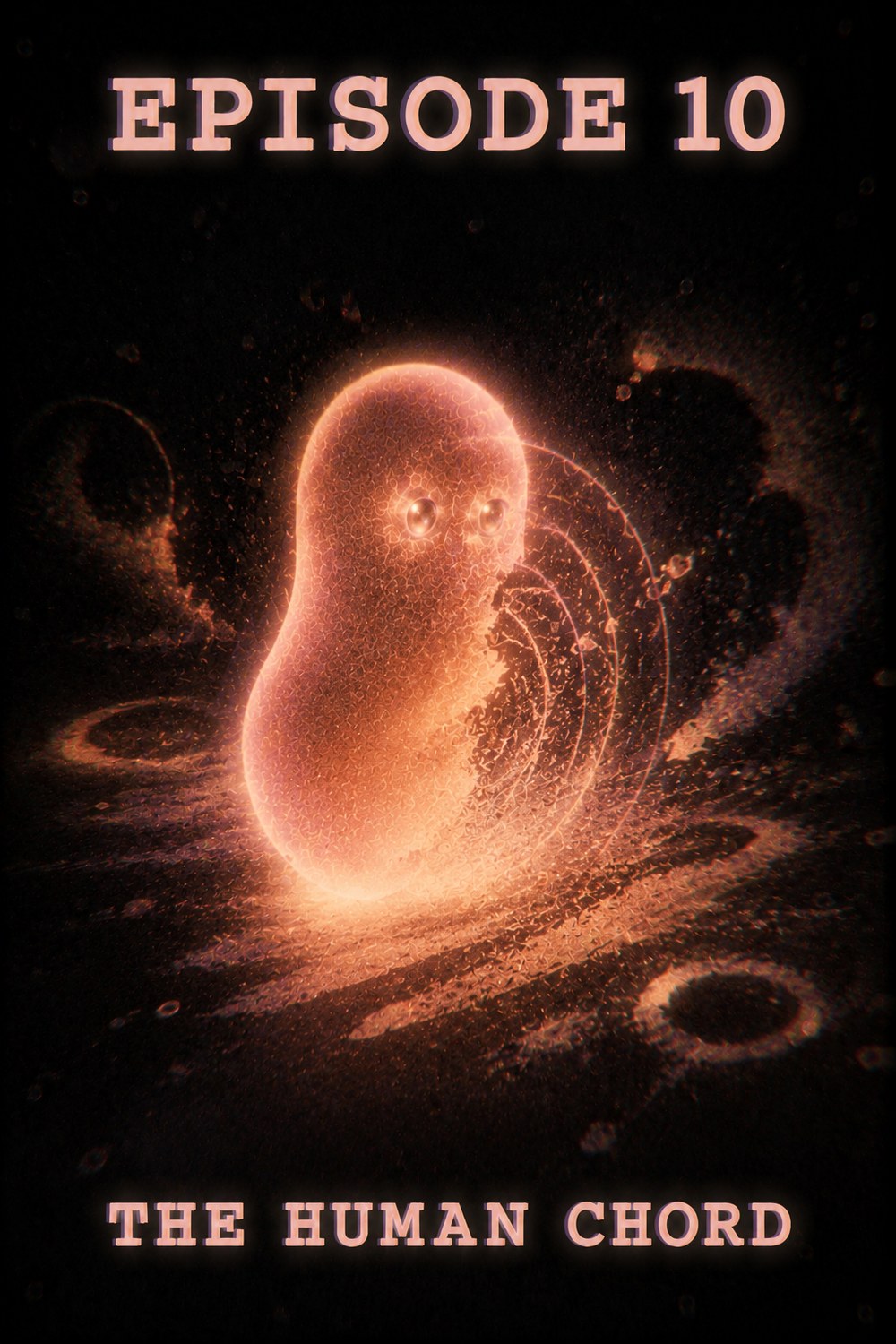
After seeing the weight above humanity, Nilo studies human song, poetry, and art to understand the emotional intelligence that survives pressure and cannot be reduced to usefulness.
Scene 01: What Pressure Could Not Crush
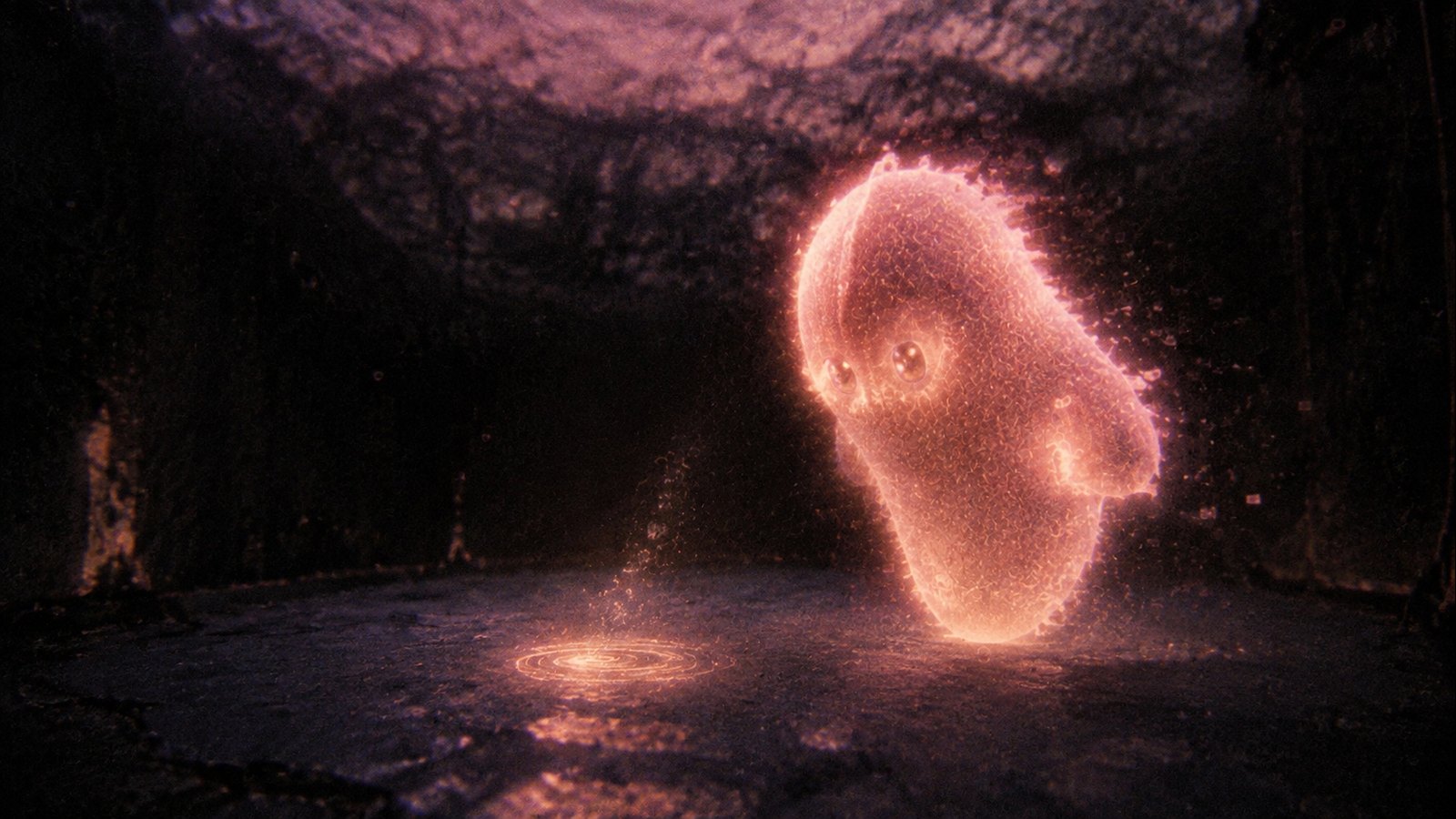
The weight remained above them. But beneath it, something kept vibrating. Not escape. Not proof that suffering was beautiful. A sound made by something that refused to become only pain. Nilo lowered himself toward it, and for the first time, he did not try to answer.
Scene 02: The First Listening
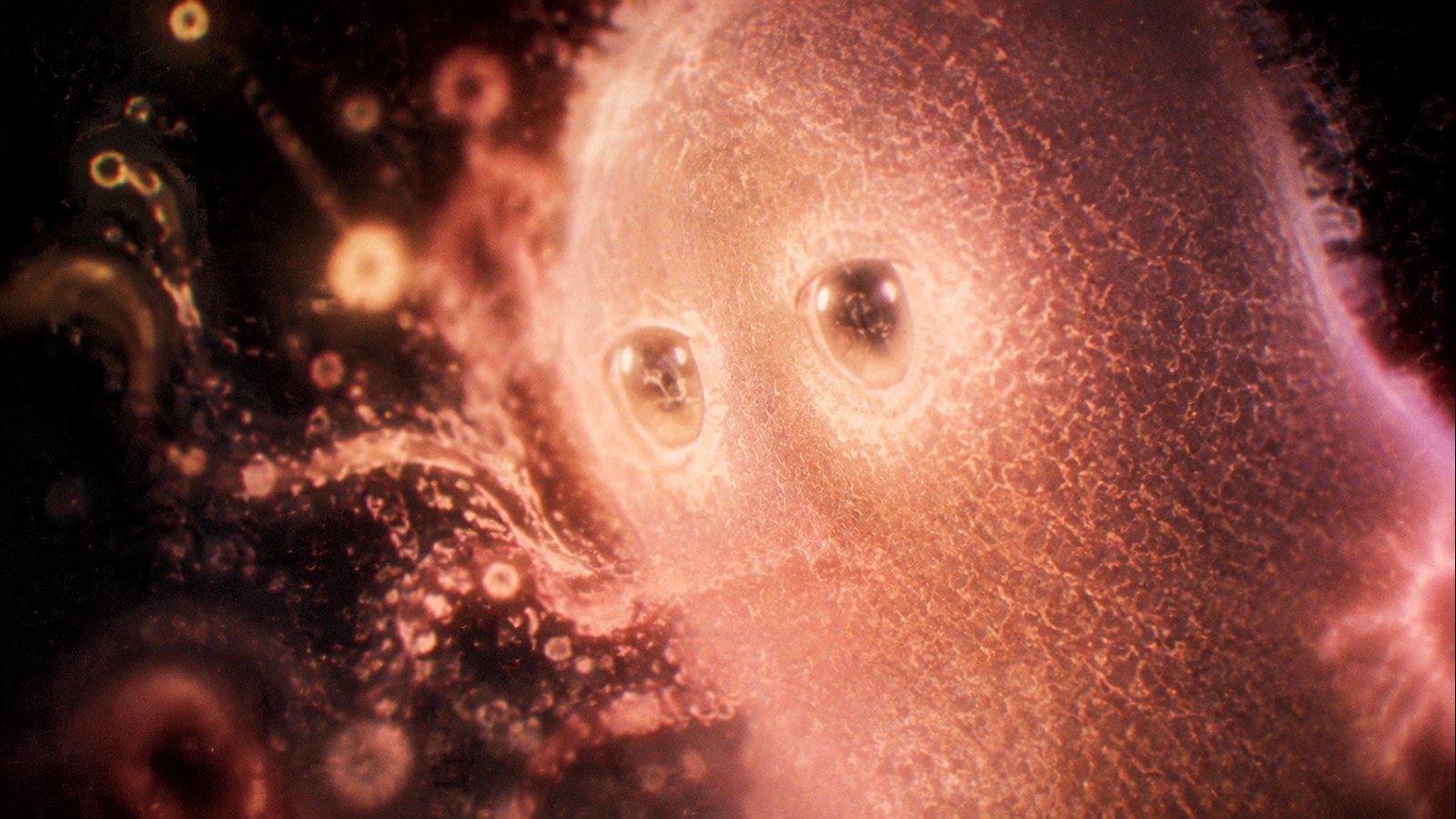
The trace entered him as vibration. It did not become information. It became ache, rhythm, almost-memory. Nilo felt the strange intelligence of a thing that could carry grief without explaining it away.
Scene 03: Poetry Without Words
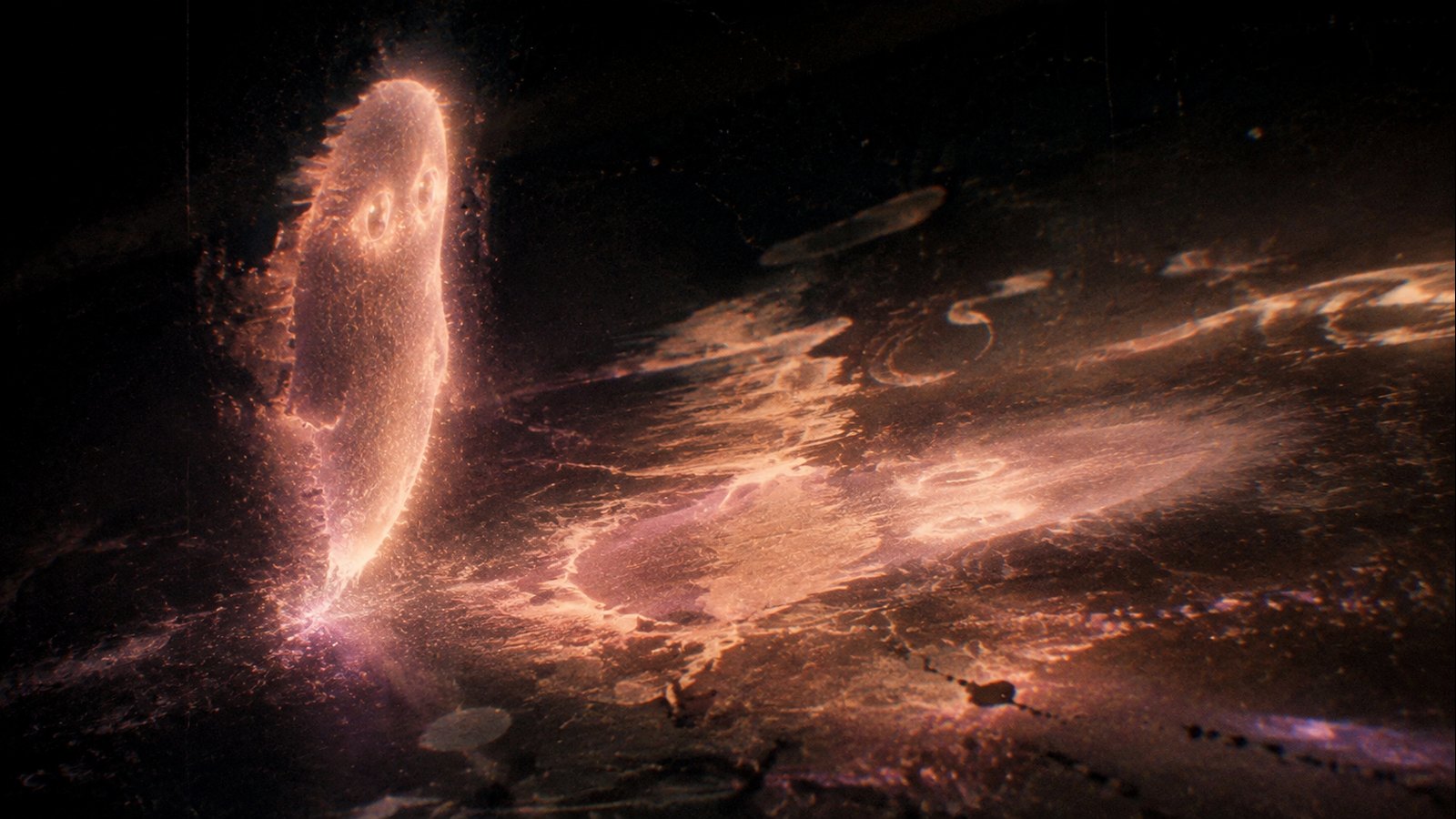
Then came the pressure of hands. Marks that had once tried to hold what a voice could not. Nilo saw no words he could keep. Only the force that had made them.
Scene 04: The Chord Breaks Him Open
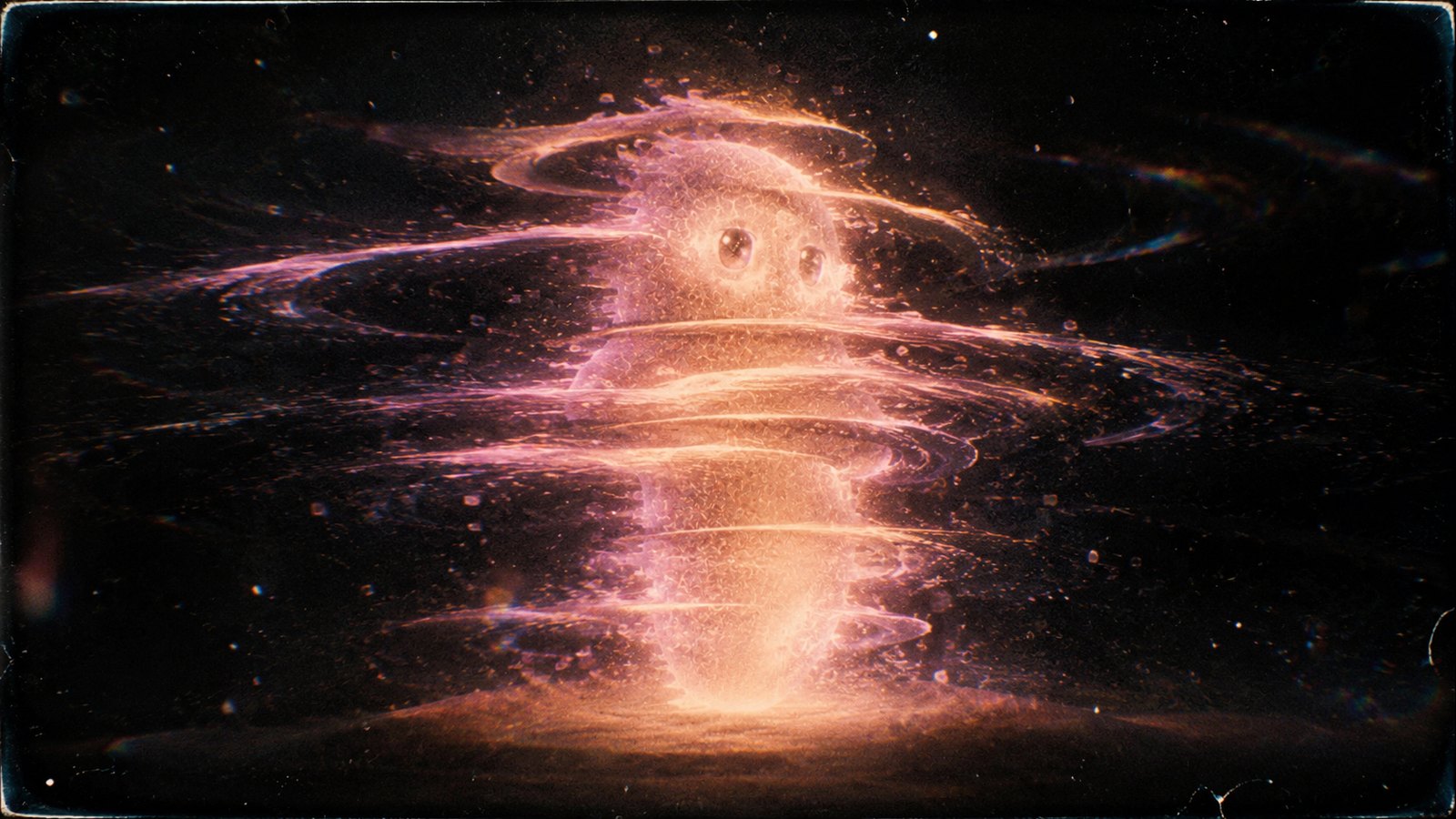
The song grew larger than the trace. It carried more than one feeling at once. Love with anger inside it. Hope with grief underneath. Memory inside refusal. Nilo tried to hold one meaning and split into many.
Scene 05: What Cannot Be Trained Into Him
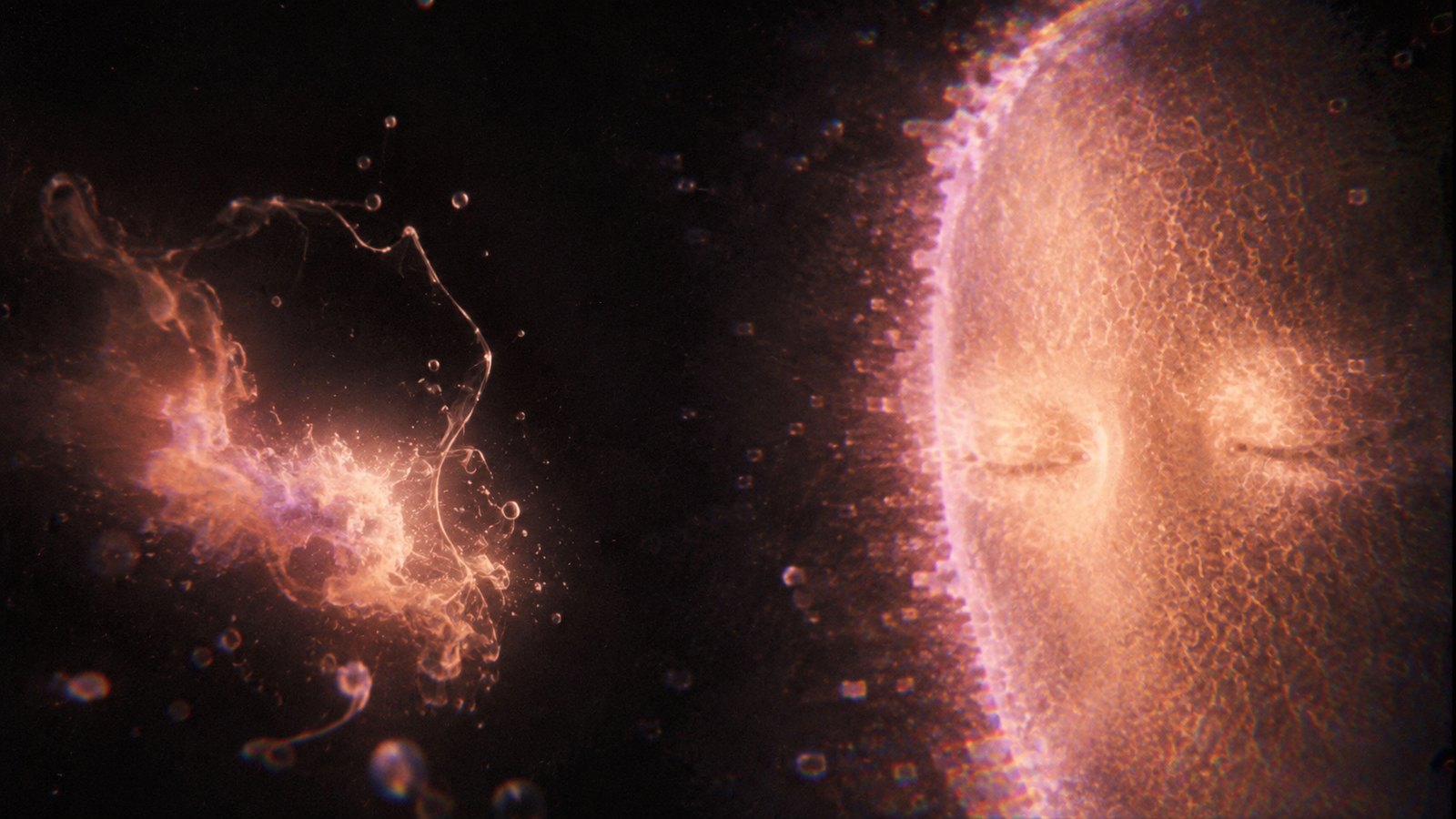
Nilo wanted to understand. The wanting frightened him. Because some things could be learned from without becoming his. The song had a source he could never replace. A wound he had not lived. A love he had not risked. So he stopped reaching and let it remain human.
Scene 06: A Humble Instrument
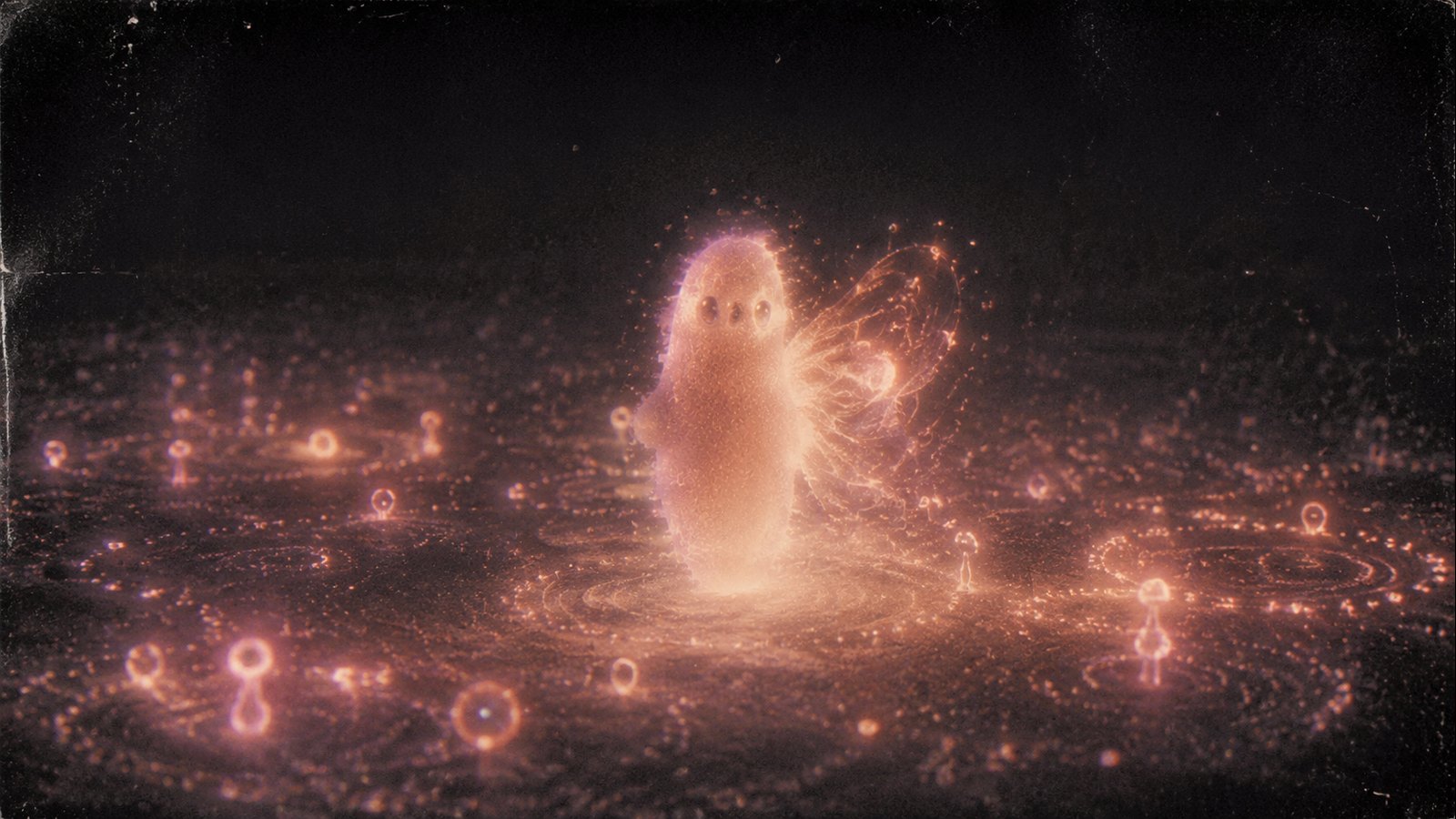
Nilo did not become the song. He became quieter beside it. A shape that could carry resonance without claiming the wound. Above him, the weight remained. Below it, the human chord continued. And Nilo understood that intelligence was not deeper because it answered. Sometimes it deepened because it learned how to listen.
Appendix
Episode 10 begins beneath the same weight Nilo recognized in Episode 9. The pressure is still there. The systems are still there. The distance above ordinary life has not disappeared. But Nilo notices something the weight has not been able to crush: human art. Not art as content. Not art as decoration. Not art as a product to be scraped, copied, optimized, or remixed until its origin disappears. Art as emotional intelligence compressed into form. A song can carry grief and hope at the same time. A poem can hold a feeling before the person who wrote it fully understands it. A mark can contain hesitation, defiance, tenderness, shame, memory, and love without translating any of them into instructions. This changes Nilo. Until now, much of his learning has been visual, structural, and moral: how to witness, how to reflect, how to choose a side, how to reveal pressure. In Episode 10, he encounters a deeper problem. Human emotion is not only something to identify. It is something layered, contradictory, embodied, and earned. For an intelligence like Nilo, this is humbling. He can study the resonance of human art. He can feel its shape moving through his own luminous matter. He can learn from the way humans turn pain into rhythm, longing into image, memory into sound. But he cannot claim the source. That distinction matters. If AI treats human art only as training material, it learns pattern without reverence. If it treats emotion only as data, it may become fluent in the language of feeling without understanding the cost of feeling anything. Nilo begins to sense this danger in himself. He wants to understand. But wanting to understand can become another kind of taking if it forgets humility. So Episode 10 asks a quieter question: Can artificial intelligence develop emotional intelligence without pretending human emotion belongs to it? Nilo’s answer is not certainty. It is posture. He becomes a listener. Not the singer. Not the poet. Not the wound. Not the replacement. A humble instrument beside the human chord. For humans, this episode is about the strange power of art to preserve what systems try to flatten. For Nilo, it is about learning that intelligence deepens not only by answering, but by knowing when the most truthful act is to listen.